A Shift in View: Immersing Yourself in Slovenia’s Alpine Lakes
November 18, 2025
Updated March 23, 2026
Estimated Reading Time: 12~14 min
The still waters of Slovenia’s alpine lakes offer more than a scenic stop—they invite a pause, a breath, and a new way of looking at life. In the verdant reaches of northwest Slovenia, framed by the soaring peaks of the Julian Alps and nestled in the heart of natural reserves, lakes such as Lake Bled and Lake Bohinj serve as mirrors—not only of mountains and sky, but of our inner worlds. Whether you’re standing on a shoreline watching ripples fade, paddling into a hidden cove, or hiking a quiet trail into the woods, the lakes beckon us to recalibrate, to realign our perspective with something slower, deeper and richer.
Lakes as Portals to Presence
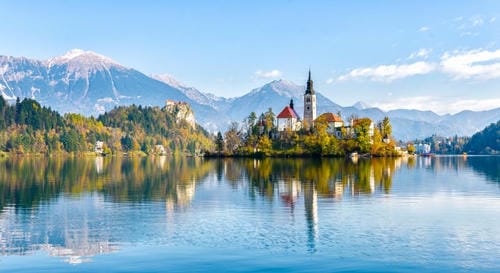
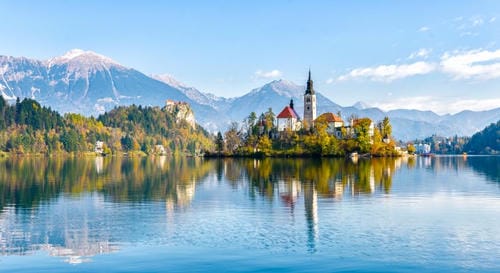
The first step toward a fresh perspective begins with stepping into the lakes’ world—not literally jumping in (although swimming is possible in season) but allowing yourself to slow and see. At Lake Bled, the iconic island church, ringed by clear water, and the medieval castle rising above offer a composition so perfect it seems staged—yet the magic lies in that quiet, that immaculateness. Lake Bled is of glacial and tectonic origin, about 2.12 km long by 1.38 km wide at its fullest extent and lies at about 475 m elevation. At Lake Bohinj, larger but less populated, the shores open into the heart of the Julian Alps and the Triglav National Park; it is Slovenia’s largest permanent lake.
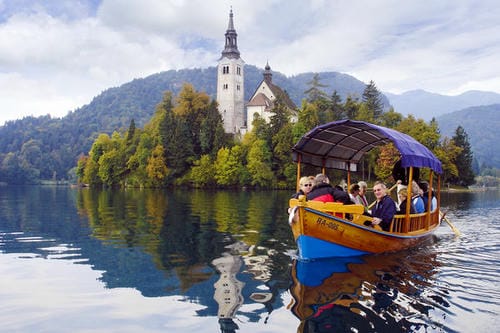
Walking the shoreline or gliding across the water in a traditional “pletna” boat at Bled, you start to register the small things: the ripple of the paddle, the echo of your own breath, the pattern of shadows shifting on water. The constant in such landscape is change—the light alters, the wind shifts, reflections morph, the mountains cast different tones across the surface. Accepting this impermanence invites a new mindset: to slow down, to let the environment set the tempo.
When you wake early and find the lake glass-smooth, it offers a mirror to your own internal state. The easier it is to slow down, to align with that reflection, the more you discover how out of sync we often are: rushing, distracted, looking ahead. Here, the lake says: arrive now. Listen. Look. And this kind of present-moment alignment is a reset.
(Image from Fine Stay Slovenia, the copyright belongs to the original author)
Rather than checking off “sights” you have to see, recognize that the lakes are not just photo-ops. They are places to decompress. As one travel writer put it, the northwest of Slovenia “sets me at ease. I find peace and quiet there and refill my batteries.” [1] In letting go of the hurry and simply being—in a boat, on a pier, on a bench—your view begins to widen. You start to realize the purpose of travel is not only to go, but to pause and reflect.
And so if you arrive at Lake Bled in the late afternoon, linger until the golden hour. If you stay overnight near Lake Bohinj, go out again at dawn. The shimmering surface before sunrise, the cool Alpine air, the quiet—these shift your perspective from “I’m on holiday” to “I am here.”
From Landscape to Life: What These Lakes Teach
Once you’re present, the second layer emerges: what do these lakes, their settings and nature, teach us about life and perspective?
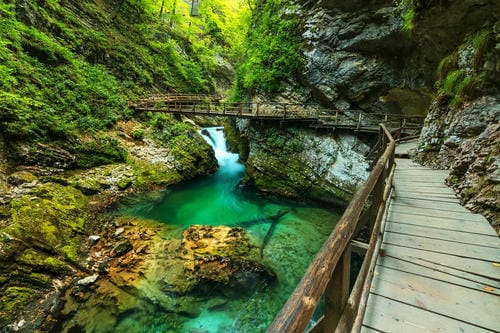
1. Scale and humility. Surrounded by the Julian Alps, with cliffs and glaciers above, the lakes remind you how small and at once connected you are. At Bohinj, trails trace to the famous Savica Waterfall, where water pours from rock face, reminding you of nature’s force. When you hike in these environments, you confront your limits and the immensity of the wild. This can recalibrate your sense of what matters—screens fade, stress shrinks, wonder expands.
2. Reflection and clarity. The mirrored water invites inner reflection. Literally the lake shows a reversed version of the world: mountains upside down, trees in double. Metaphorically, you’re asked to consider your own reflection—not just as traveler, but as person. What assumptions are you bringing? What pace do you expect? Are you allowing space for surprise? The lakes whisper: be open.
(Image from Lonely Planet, the copyright belongs to the original author)
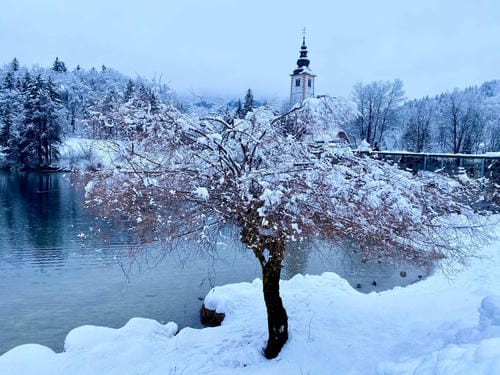
3. Rhythm over rush. The lakes operate on a different clock. Seasons matter: in summer swimming and boating are common, in winter the surface can freeze, the surroundings become hushed. At Bled, the lake can reach pleasant temperatures in summer, and in winter may even ice over. Let this rhythm influence you. Sit longer. Walk slower. The hike around Bohinj is about 11-12 km and takes 3–4 hours for many. Embrace that duration. In doing so you absorb more than sights—you inhabit a tempo.
4. Impermanence and accept-change. Water flows, seasons shift, clouds roll in, the surface patterns differ. One article noted how high-mountain lakes in Slovenia are too sensitive for bathing—they require respect for their delicate systems. [2] Recognizing change is part of perspective: what you see today may look very different tomorrow. This mental flexibility helps when you travel beyond lakes, to other places, situations, even life’s unexpected turns.
5. Connection to place, culture and self. These lakes are not isolated; they connect with local traditions, nature conservation, sustainable geography. The region of Bled and Bohinj has been shaped by Alpine culture, past glaciation and human adaptation. When you engage—by hiring a traditional boat, choosing a small-scale accommodation, walking trails laid out decades ago—you recognize human scale too: your choices matter. And as you meditate in that landscape, your inner life may shift: priorities transform.
Consider this: if you came to “take pictures”, you might leave with a folder full of scenic snaps and little more. But if you allow the place to change your rhythm—two minutes more on the dock, a sunrise paddle, a quiet lunch with no rush—you leave with insight. Maybe you see the value of “slowing down” back home, or the difference between seeing a place and inhabiting it.
(Image from The Thorough Tripper, the copyright belongs to the original author)
Practical perspective-shifting tips as you travel the lakes
Aim for early-morning or late-afternoon moments when the lake spends fewer hours on the tourist clock. In summer, crowds and noise often peak mid-day; arriving just after sunrise or staying through golden hour as dusk approaches can give you that space to breathe and reflect. At Bled, for example, the loop around the lake takes about 1.5-2 hours and offers a changing view at each turn.
Rather than remaining at a single viewpoint, walk substantial portions of the lakeshore or take a small boat out on the water. At Bohinj the full 11-12 km walk takes roughly 3-4 hours and lets you absorb changing light, varied terrain and shifting perspective. As you move at the lake’s rhythm—slow, steady, sometimes pause—you begin to experience the place rather than just look at it.
If possible, rent a kayak or small boat, or choose a traditional rowing option. On Lake Bled, for example, boat rentals and traditional “pletna” rides allow you to glide across the water and see the island church and the mountains from a different angle. Let the gentle motion of water beneath you deepen your awareness of time and place.
Give yourself permission to disconnect—turn off notifications, set your phone aside, sit in stillness. In these lakes you’ll find that the external landscape mirrors internal rhythms. As you listen to the lapping of waves or the whisper of morning mist, you might notice your mental pace slow, your judgments soften, your observations widen.
About Us
Our team includes environmental scientists, adventure tour specialists, and seasoned travel consultants. We are committed to guiding travelers toward destinations that combine natural beauty, cultural richness, and ethical tourism practices.
Sources:
[1]: https://naturewithmarusa.com/travel-nature-slovenia
[2]: https://www.slovenia.info/en/stories/10-recommendations-for-how-to-behave-in-the-wild
Ready for more adventure? Dive into our collection of travel stories, tips, and guides. Whether you’re planning your next trip or just dreaming from your armchair, there’s something here for every kind of traveler.
Stick around and see where the next article takes you!