Riding the Echoes of the Camino’s Past on an Electric Bike
November 19, 2025
“Riding an electric bike along the historic Camino de Santiago lets you cover ancient pilgrim routes with ease, blending breathtaking Spanish landscapes and cultural heritage into one unforgettable journey.”
Updated March 27, 2026
Estimated Reading Time: 12~14 min
Let your electric bike hum beneath you as you ride across the Spanish countryside, tracing the route once trodden by pilgrims centuries ago. This is not merely a cycling holiday—it’s an immersion into history, spirituality, landscape and culture all at once. On a route such as the famed Camino de Santiago (Way of St James) or a lesser-worn trail, your wheels meet the echoes of past travelers, and modern technology makes the ride accessible in new ways.
Setting Out: Pilgrim History Meets Electric Ride
When you saddle up on an electric bike and follow a centuries-old trail across Spain, you’re engaging in a unique blend of past and present. Routes like the Camino de Santiago have been used by pilgrims since the early Middle Ages, as across Europe people travelled to the shrine of Saint James in Santiago de Compostela. Though many of the well-known pilgrim routes date to the 9th through 12th centuries, the pilgrim tradition in Spain continued to evolve through the 16th century and beyond—villages, churches and way-markers still reflect that long history.
What’s special about riding an e-bike is that you don’t just walk the route and reflect—you ride it with speed, power assistance and a whole different physical rhythm, yet you still feel the heritage under your tyres. Tour companies list e-bike versions of the Camino: for example one 8-day trip from León to Santiago covers around 310 km via e-bike, tracing segments of the Camino de Santiago. [1] Another tour offers a full ride of about 675 km from Pamplona to Santiago using electric bikes. [2]
As you ride, the land itself reminds you of its legacy: Roman bridges, medieval churches, cobbled lanes and centuries-old hostels once used by pilgrims now hosting today’s cycle-tourers. The modern experience is different—lighter gear, e-assist, quicker stages—but the sense of following a path that so many before you have walked or ridden remains intact.
The Ride Experience: Landscapes, Logistics and What to Expect
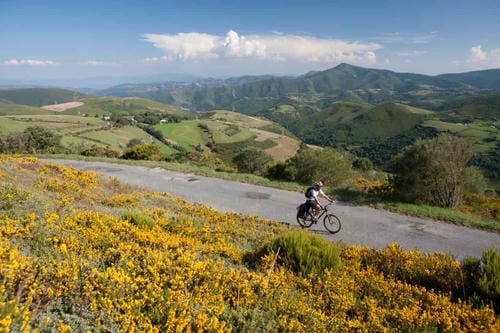
Glide through countryside, ascend gentle climbs with the help of your e-motor, descend into valleys and pause in villages that might have served pilgrims for over five hundred years. The terrain is varied: paved roads, rural tracks, gravel stretches, narrow lanes between stone houses. One cycling-Camino overview notes: “The trail is full of variety … from long flat days, to sustained climbs, short sharp ascents and some slippery descents.” [2]
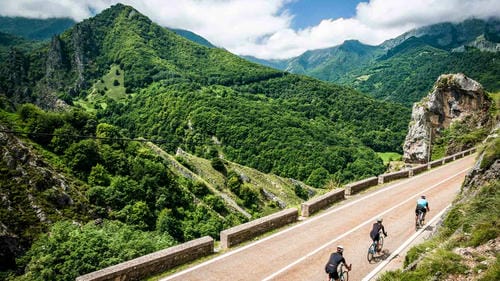
Even on an e-bike, you’ll want to pace yourself. The assistance means you can cover more ground, but many participants still plan shorter daily distances so they can stop, explore and rest. On an 8-day León-to-Santiago route, stages average about 50 km per day, even with e-bike support. [1] This leaves time for meals, sightseeing, perhaps a historic cathedral stop or a wine tasting in the region. You’ll ride through regions like Castilla y León, the Bierzo valley, Galicia—and each has its own character: golden fields, limestone hills, chestnut woods, Atlantic-influenced greenery.
Choose a tour or self-guided route that includes e-bike rental, helmet and gear, luggage transfer and accommodation. One company offering the Leon–Santiago e-bike option advertises bikes, bags and helmets included, plus luggage transported each day. [1] This support means you can ride lighter, focus on the scenery and history, rather than hauling panniers or worrying about heavy gear.
Along the way, you’ll encounter towns that were key stops on pilgrim journeys. Bridges where stones were laid down by pilgrims, crosses erected on high passes—such as the famous “Cruz de Ferro” where pilgrims still leave a stone as a symbol of leaving something behind. You’ll pass medieval castles, Roman ruins, and vibrant towns. For example one leg from Castillo de los Polvazares to O’Cebreiro climbs into the Galician hills; the village of O’Cebreiro feels like stepping into a different world.
The main riding window is spring to early autumn: May through October offers friendly weather, fewer storms, good daylight hours. For the Camino, May–June and September are often ideal. Summer can be busy, and some mountain sections may be hot or subject to afternoon storms.
Preparing Your Journey: Planning, Gear, and Pilgrim Spirit
Terrain and Speed
Even on an e-bike, you need to control your pace. Assist means you can ride further, but many participants still plan shorter daily rides to allow time for exploration and rest. On the 8-day León to Santiago route, even with e-bike assistance, the average daily distance is approximately 50 kilometers. This allows time for meals, sightseeing, and perhaps visiting historic cathedrals or sampling local wines. You will pass through Castile and León, the Bierso Valley, Galicia, and other regions—each with its own unique character: golden fields, limestone hills, chestnut forests, and lush vegetation influenced by the Atlantic climate.
Best Time to Ride
The main cycling season is spring to early autumn: May to October offers pleasant weather, fewer storms, and longer days. For the Camino de Santiago, May to June and September are generally ideal. Summer can be busier, and some mountainous areas can be hot or prone to afternoon thunderstorms.
Logistics: Rent a high-quality e-bike with a comfortable frame geometry suitable for long rides and a long battery range (so you don't have to worry about running out of power mid-ride). It's best to bring a bike bag or frame to carry essentials. Pack standard riding gear: helmet, gloves, waterproof jacket, and windproof, warm clothing (especially in the Galician mountains). Even with assisted riding, you'll still need comfortable cycling shoes, shorts, and perhaps a handlebar bag for snacks. Don't overweight—travel light.
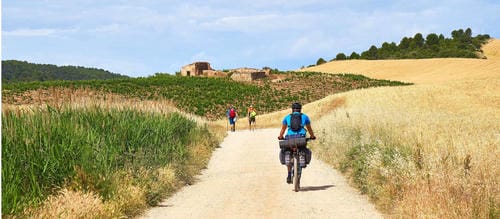
Route and Cultural Sites: Beyond the natural scenery, the most captivating aspect of cycling the Camino de Santiago is the interplay of landscape and historical culture. Along the way, you'll pass ancient stone villages, medieval churches, castles, and vineyards, all shaping the landscape over centuries. A Spanish tourism website notes, "Cycling along the Way of Santiago (or the Camino de Santiago) is becoming a popular choice…passing through historic cities like Osebrero, Burgos, and Pamplona."[3]
In Castilla-León and La Rioja, you'll cycle through wine regions: vineyards wind along the roads, the harvest season painting the hills in vibrant colors, and the air filled with the aromas of ripe grapes and fermenting juice. In the countryside, you might discover olive groves, chestnut forests, or wild meadows.
The interplay of scenery and cultural landmarks makes this journey more than just a trip; it's a journey through living history. The verdant hills, vineyards, and tree-lined roads, combined with cultural landmarks, ensure that every day is unique.
These are historic trails, some hundreds of years old, traversed by pedestrians, horses, pilgrims, and locals. Please ride responsibly: slow down on narrow roads, be courteous to pedestrians and other cyclists, and obey local traffic rules. For the best experience, immerse yourself in the traveler community, rather than just rushing through.
About the Author:
Noah Griffith is an adventure guide certified in wilderness survival and expedition planning. He focuses on outdoor travel, trekking routes, and responsible exploration.
Sources:
[1]: https://waw.travel/st_activity/camino-de-santiago-by-ebike
[2]: https://rawtravel.com/walks/the-camino-stage-2-5-pamplona-to-santiago-e-bike
[3]: https://followthecamino.com/en/camino-tours/cycling-camino-frances